The Queen of the Sea
Collaboration with Prunier
Tokyo, 2025-26
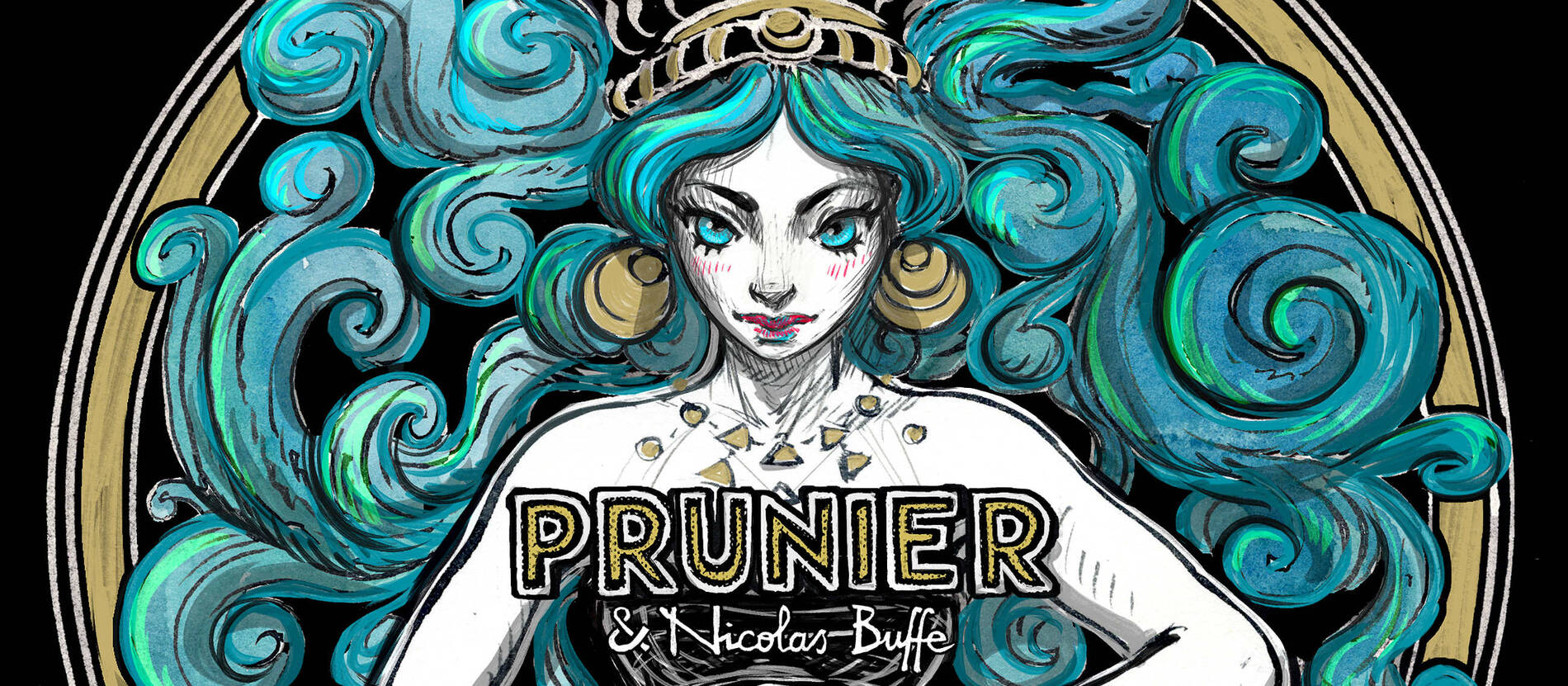
Travel aboard the Orient Express and treasures of the sea
For this collaboration with Prunier, I set out to weave an original story around this illustrious French caviar house. Founded in 1872 by Alfred Prunier, it established itself as a pioneer in the rise of caviar in France in the early 20th century, thanks to its Parisian restaurants, famous for offering “everything from the sea.”
I was particularly drawn to the artistic effervescence of Art Deco, embodied by the legendary Prunier Victor Hugo restaurant. Throughout the 20th century, this house gravitated toward the orbit of famous creators such as Poiret, Wilde, Chanel, Picasso, Diaghilev, Dior, and Yves Saint Laurent, thereby affirming its prestige in the Paris of that era.
The association of Prunier caviar with the history of the Orient Express particularly intrigued me. I saw it as a way to link the imagination of travel between Paris and Istanbul with that of the treasures of the sea.
I therefore took pleasure in adding a touch of my own personal fantasy to this collection, already rich in history.
* *
*
Chapter 1: The Legend of the Queen of the Sea
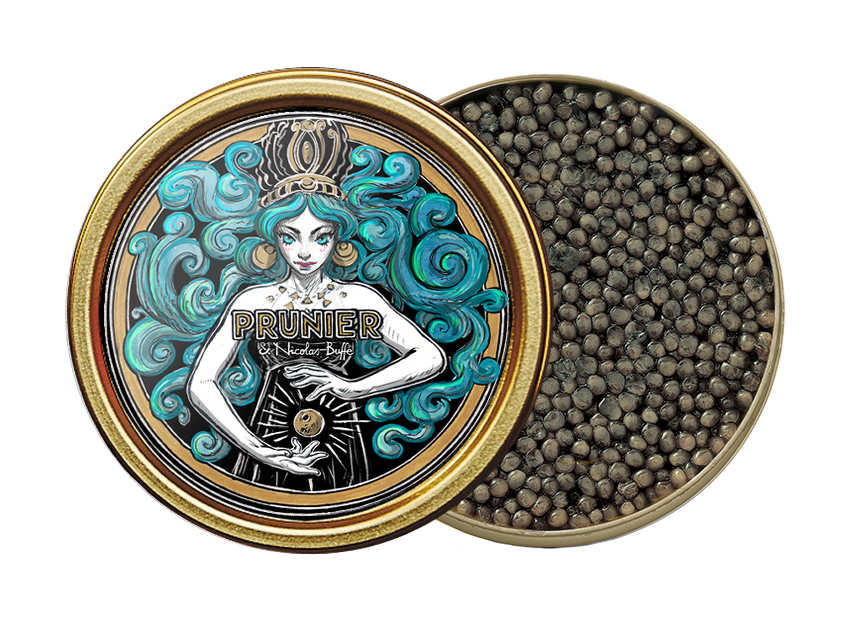
A legend, corroborated by fishermen’s tales, tells of a queen with seaweed for hair who lives in a fabulous palace hidden at the bottom of the sea. It is also said that her palace contains a fabulous treasure. The exact location remains a mystery, as some stories place it in the Caspian Sea, while others mention the Atlantic.
I imagined this character based loosely on the anecdote of Simone Prunier’s daughter, who drew a queen with seaweed hair for the menu at Prunier Saint James in London on the occasion of Queen Elizabeth’s coronation in 1937.
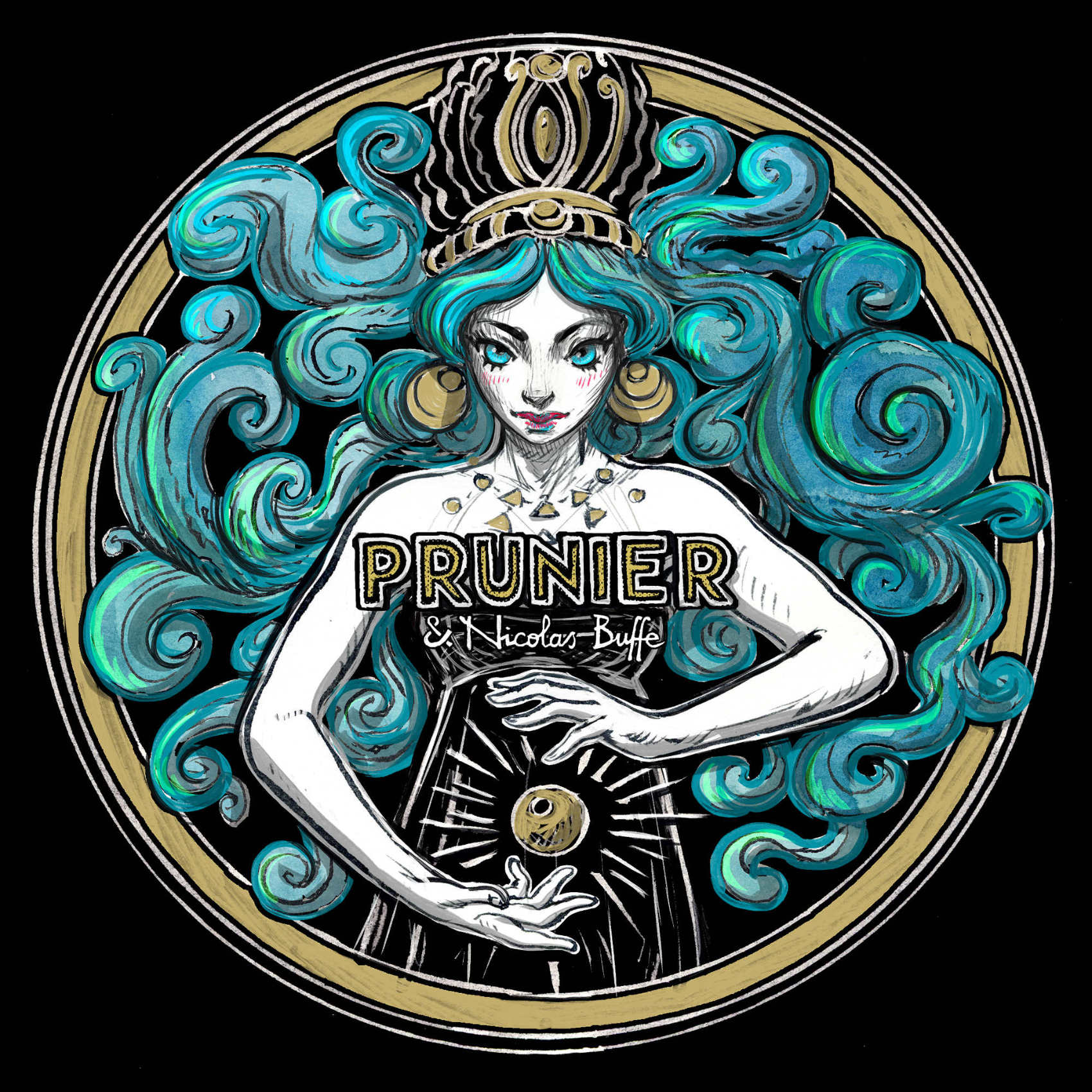
The story of the queen of the sea
Saint-James, one of the caviars in the Prunier range, which is still highly prized today, was created to mark the coronation of King George VI and Queen Elizabeth on May 12, 1937. On this occasion, restaurant guests were treated to a special menu illustrated by Françoise, known as Toune, the daughter of Simone Prunier and Jean Barnagaud. She depicted the queen as a young woman with dark seaweed-like hair, wearing a golden crown. Opposite the list of starters, main courses, and desserts, separated by a small blue fish, is a poem written for the occasion by the English writer and humorist Sir Alan Patrick Herbert (1890-1971). The Duchess of Kent, who came to lunch with her family the day after the coronation, slipped the menu into her bag, convinced that it would “amuse Elizabeth greatly…”
Prunier par Alléno / Une grande maison d’avant-garde / Textes de Patricia Khenoua / Glénat, 2023, p. 63

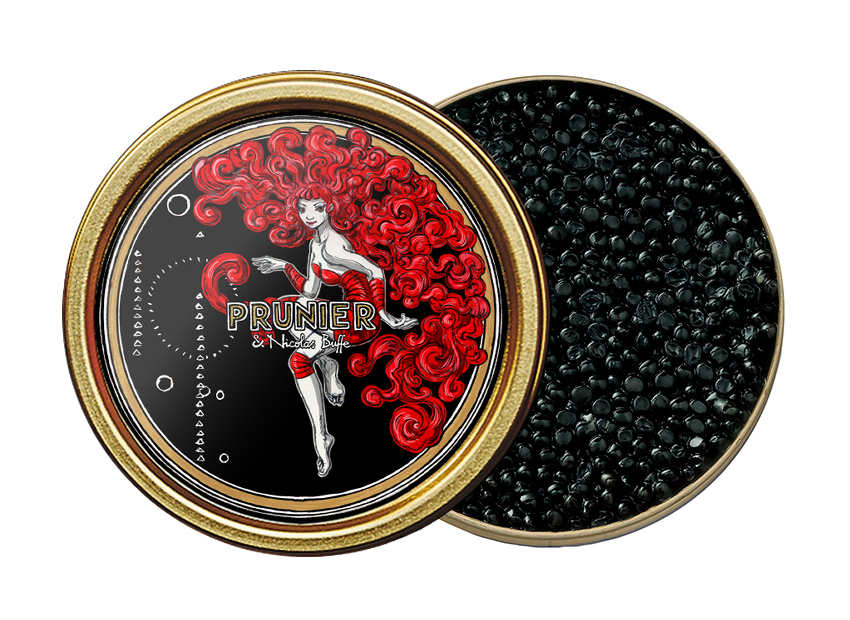
Oceanid / attendant of the sea queen
The court of the sea queen’s palace is vast. The queen has many attendants. Over the centuries, sailors and travelers have sometimes confused these attendants of the queen with mermaids.
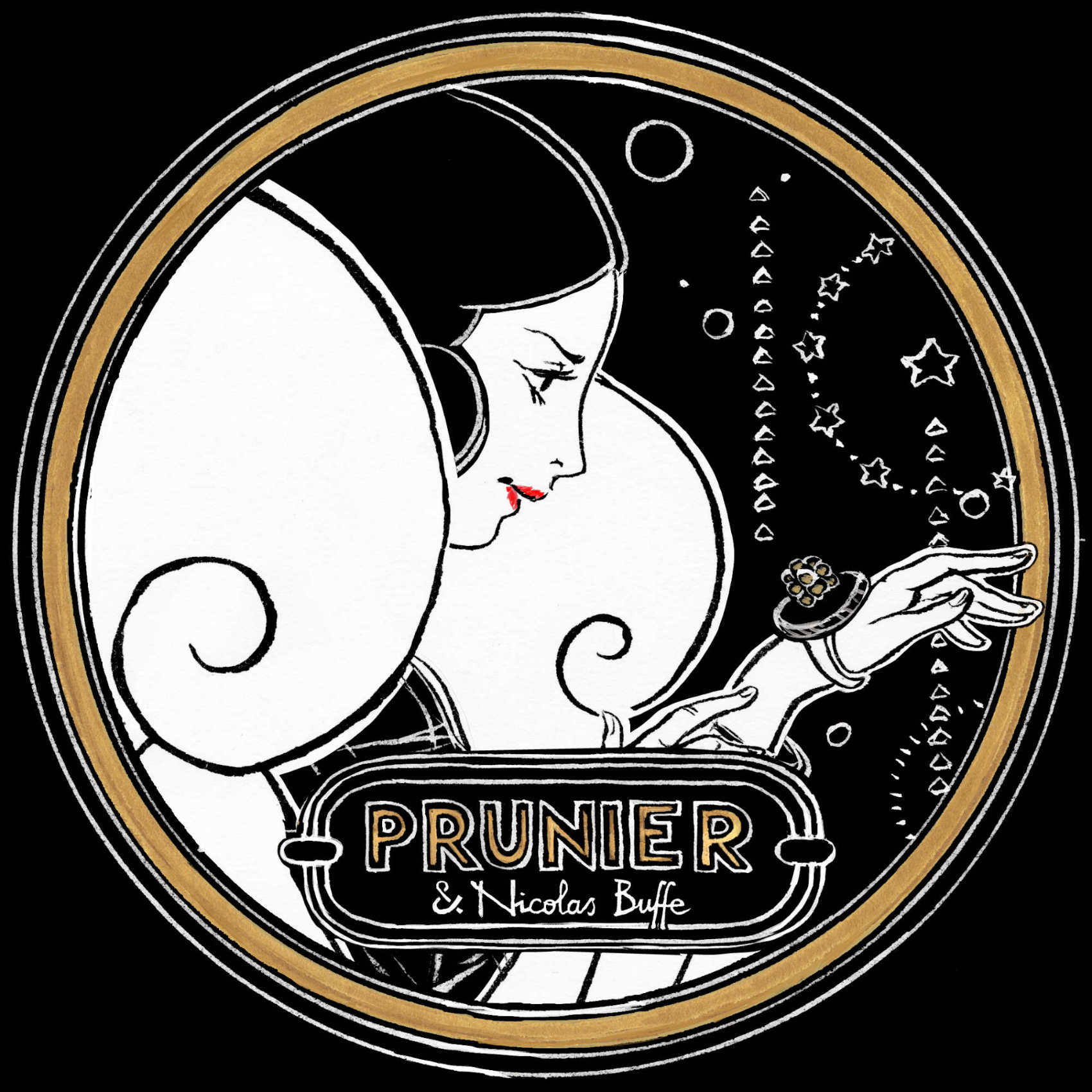
Traveler
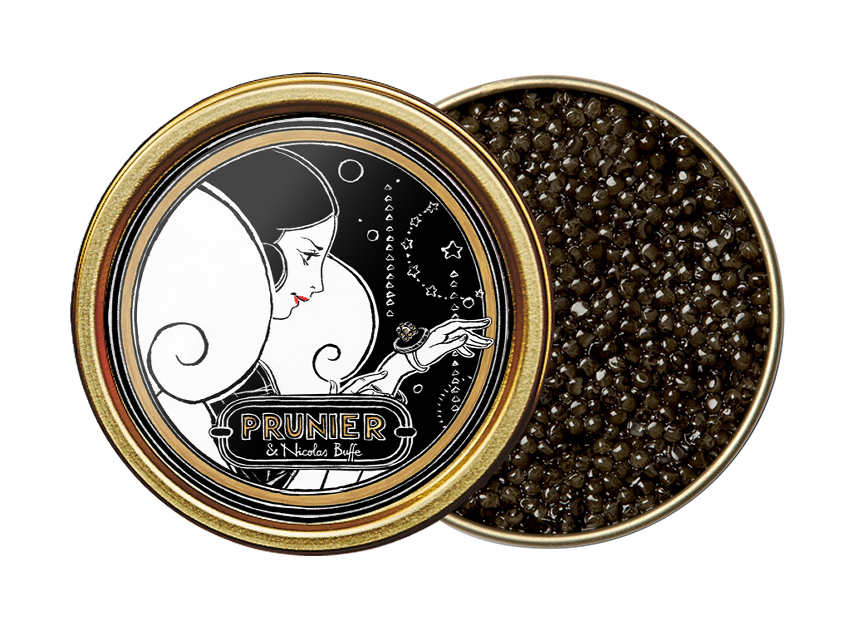
Paris, 1925: the Roaring Twenties were synonymous with celebration and lightheartedness in Paris, London, Berlin, New York, and Tokyo. These years also saw women break free from the social and sartorial constraints of previous decades. Women aviators, pilots, and adventurous travelers began to appear, exploring the skies and the seas.
I had fun imagining one of these characters setting off on an adventure in search of the treasure of the Queen of the Sea.

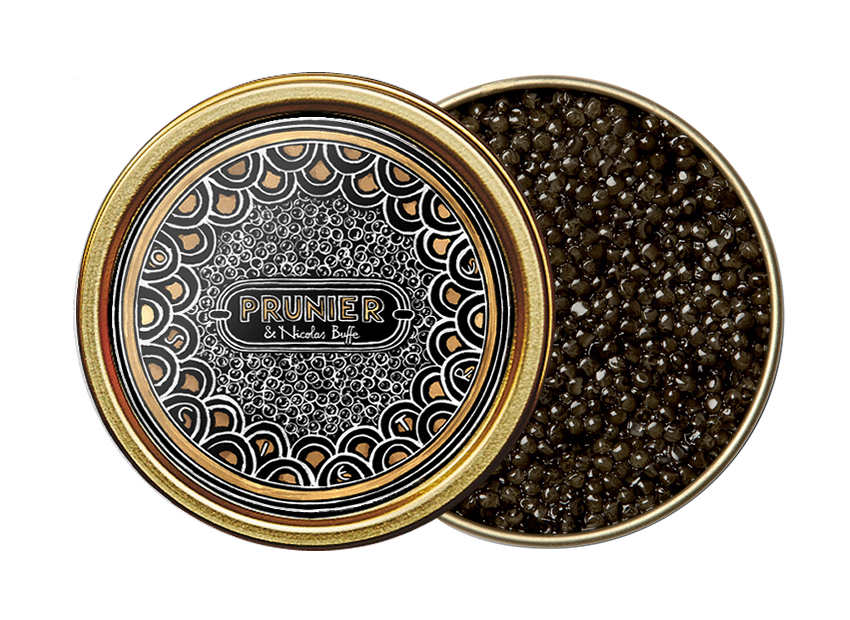
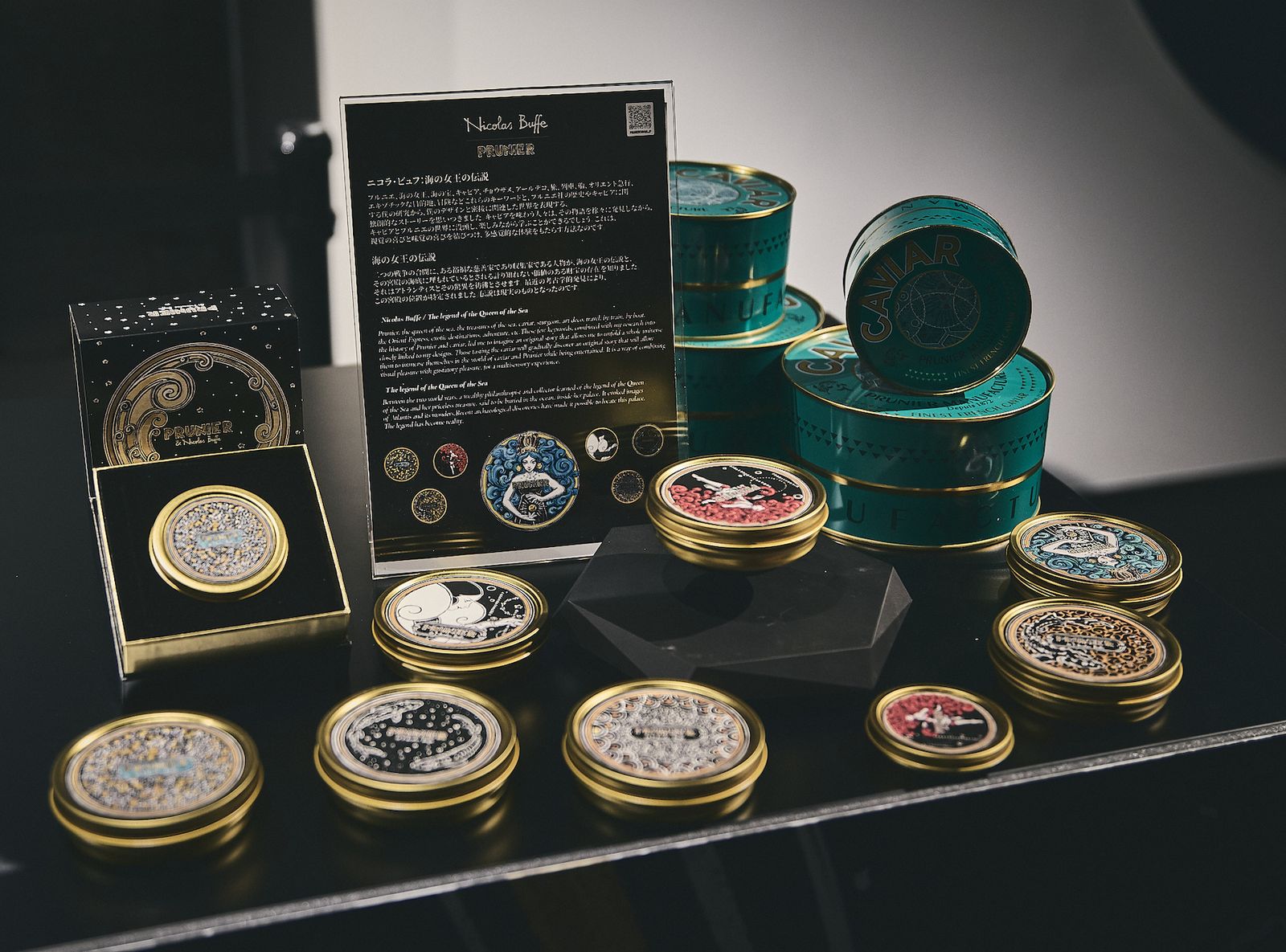
Caviar fan / Oscietra
A caviar fan enhanced with golden eggs, inspired by the Art Deco aesthetic as seen at Prunier Victor Hugo, mixed with Japanese influences.
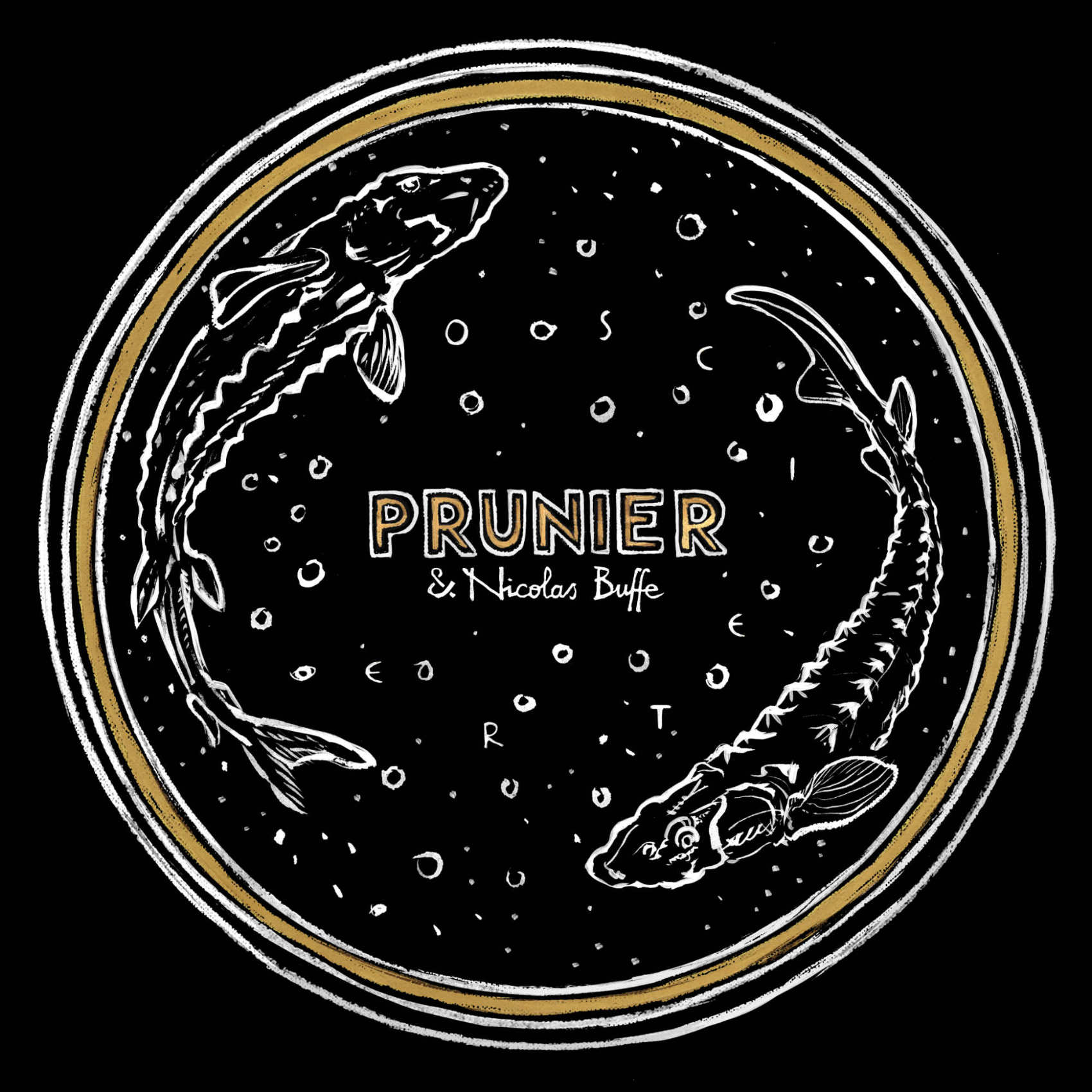
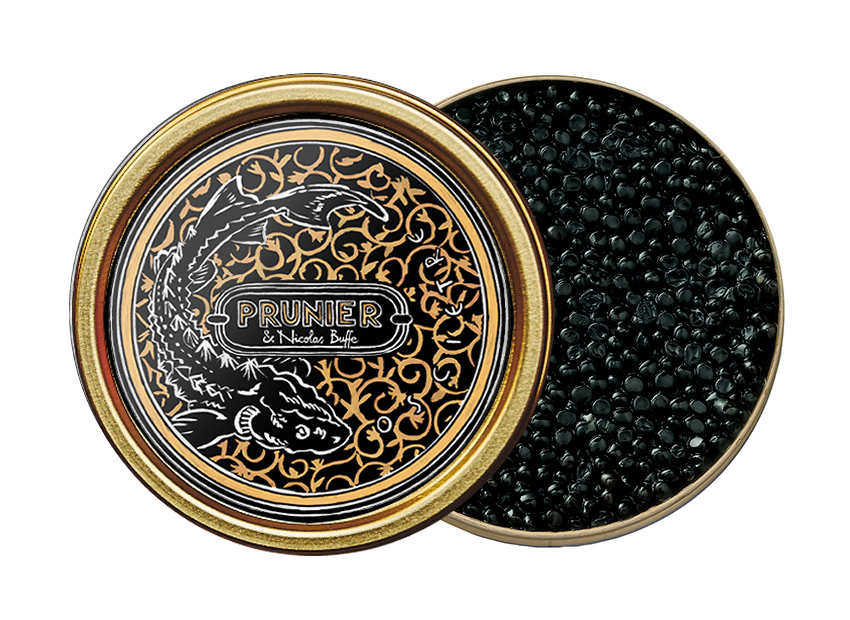
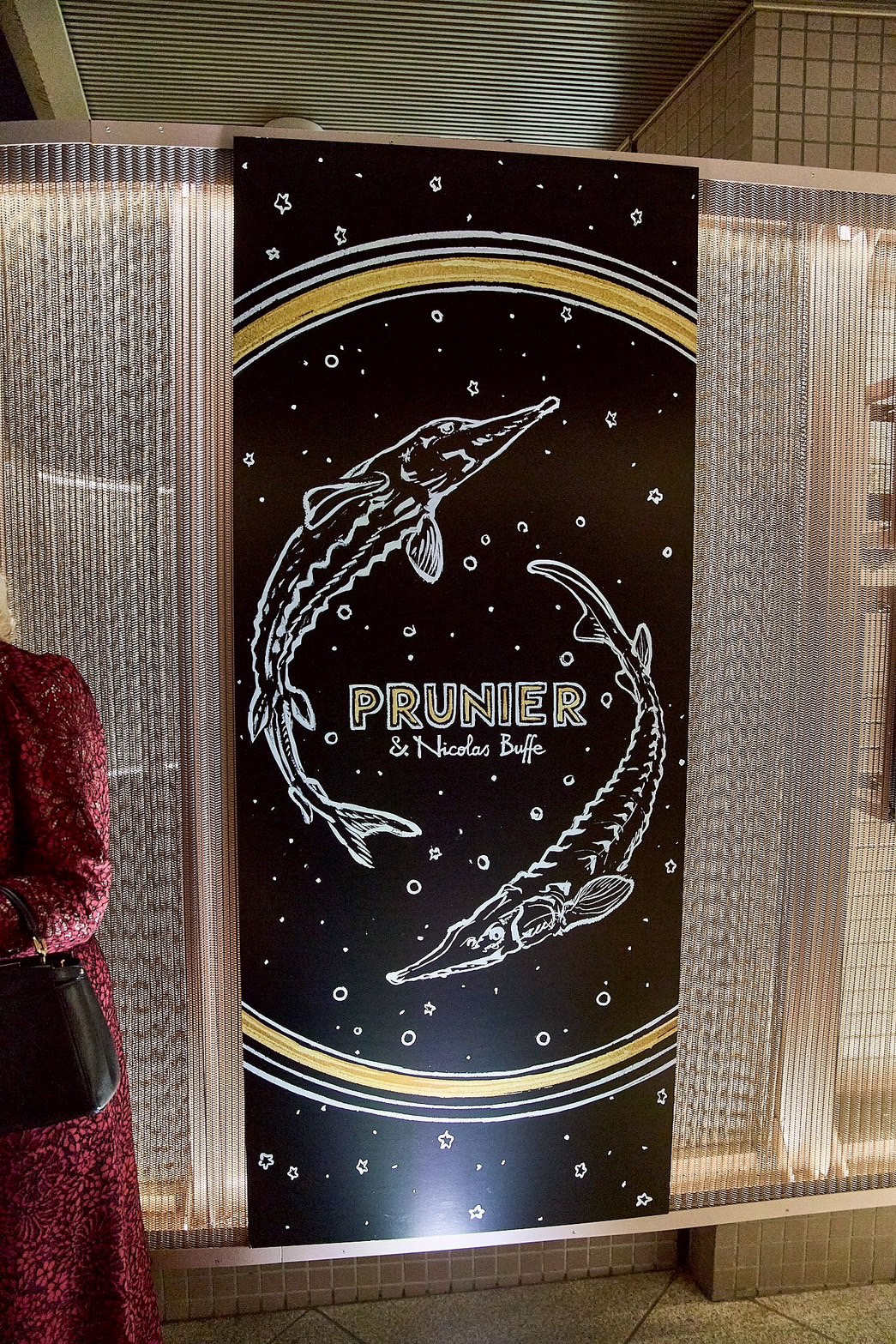
Sturgeons and bubbles / Oscietra
Two sturgeons swim in an environment of bubbles reminiscent of champagne bubbles. The symmetry evokes a weightless broom, reminiscent of the sign of Pisces. There is also a reference to the Art Deco motifs of Prunier Victor Hugo.


Oscietra and aquatic plants
An oscietra sturgeon glides lightly over a carpet of aquatic plants. This golden surface is represented by a stylized Art Deco pattern with Japanese influences.
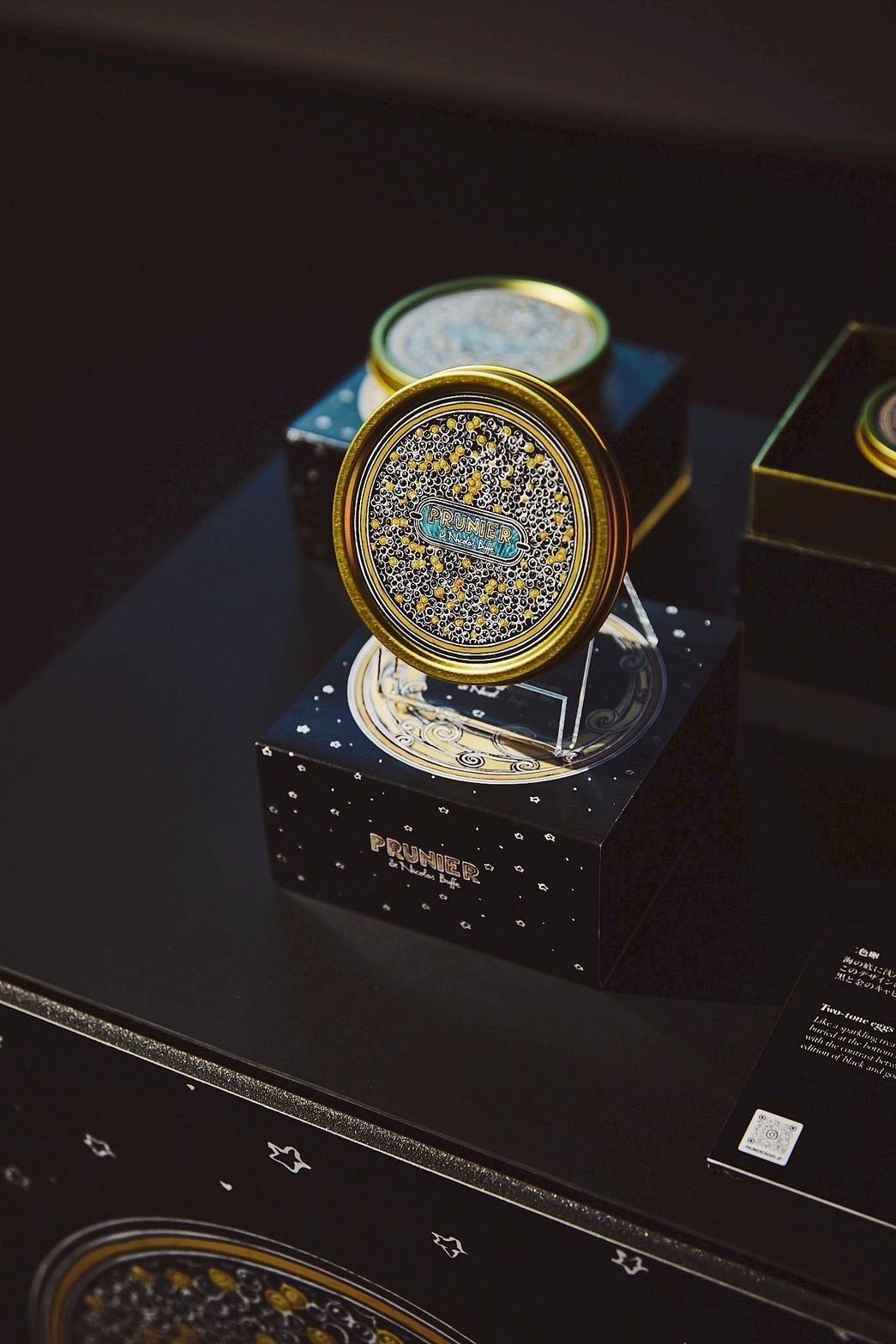
Two-tone eggs
Like a sparkling treasure in the darkness of a chest buried at the bottom of the ocean, this design plays with the contrast between gold and black for a special edition of black and gold caviar.

Great wave
Between Art Deco and Japanese references, I had fun drawing this great golden wave between sky and sea, bringing an asymmetrical dynamic to the regularity of the circle.
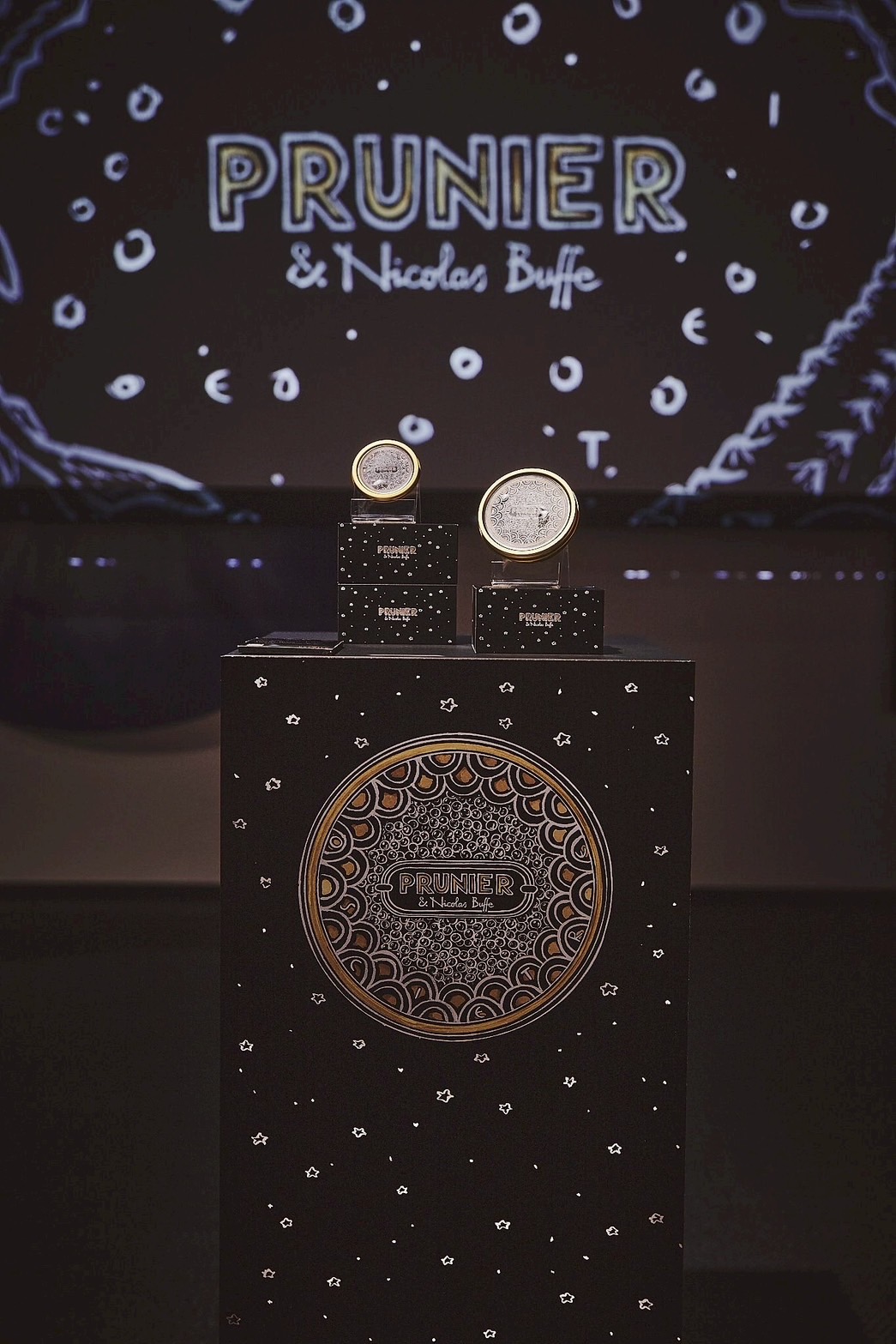
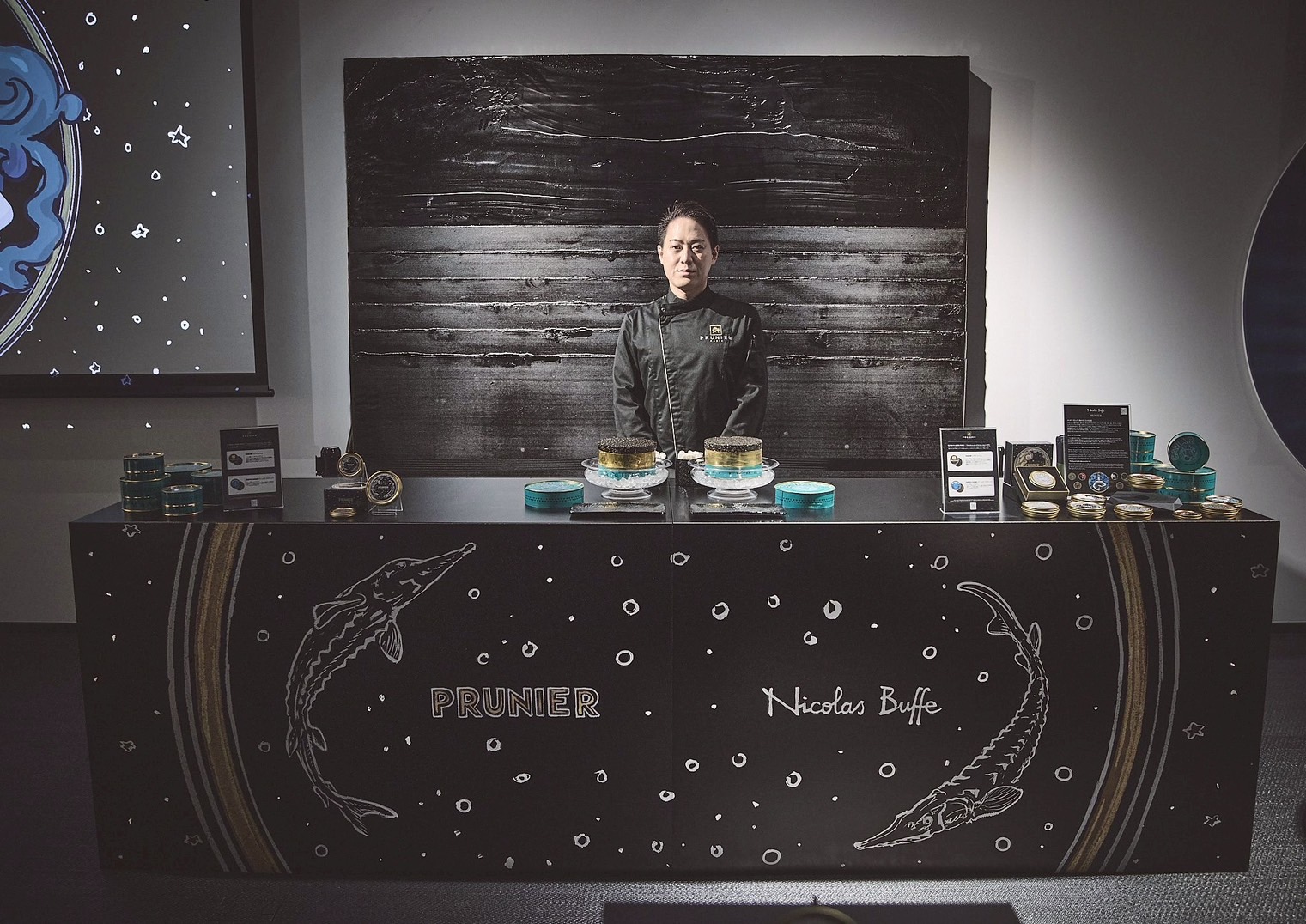
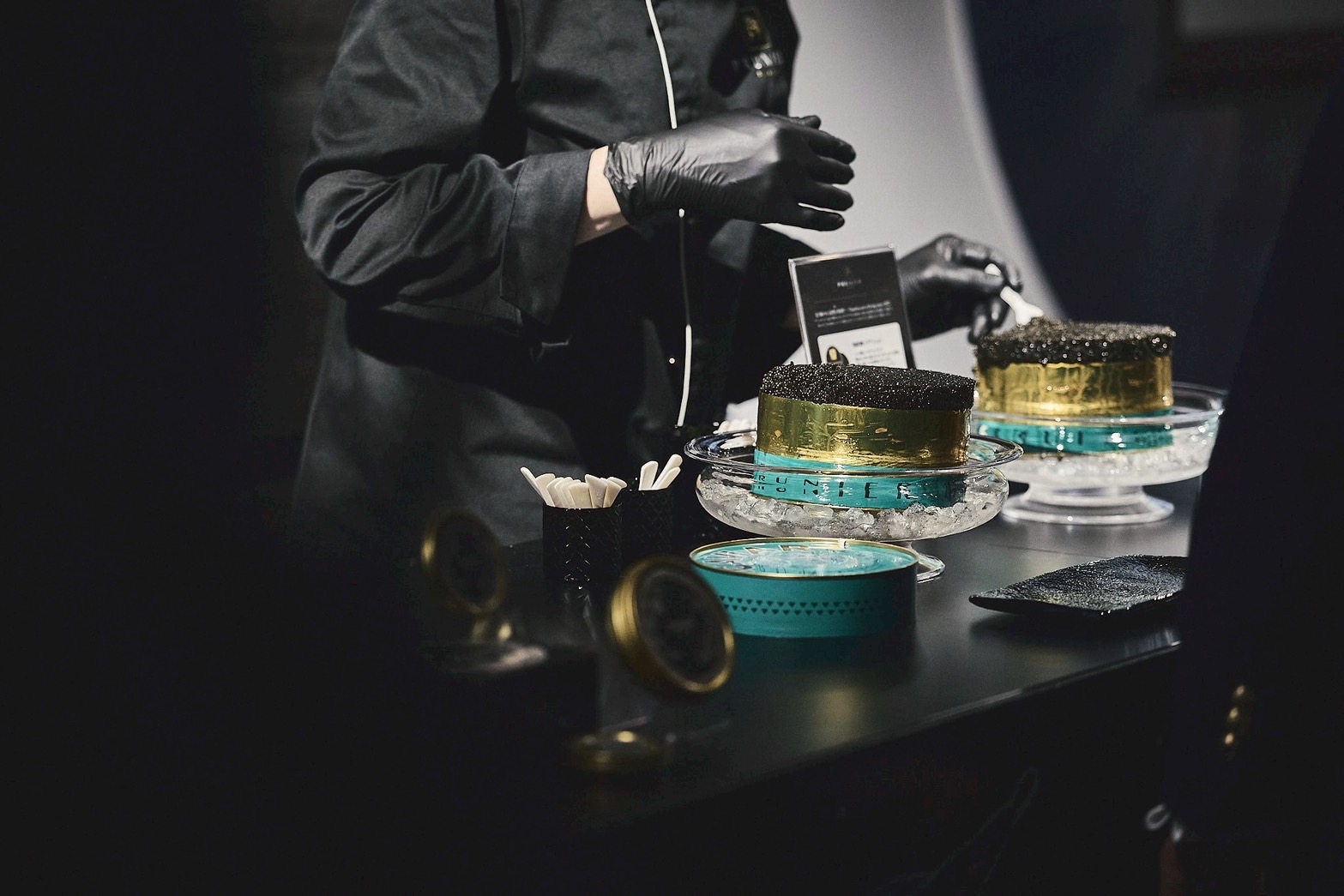
Event at Ueshima Museum, Shibuya, Tokyo. Nov. 4th, 2025
* *
*
Chapter 2 : Express train and stopover in Venice

Conversation aboard the express train (Traveller)
The traveller continues her journey eastward aboard the Orient Express, the legendary train connecting Paris to Istanbul. Tonight, a soft-spoken conversation takes place in the Art Deco lounge of one of the carriages.
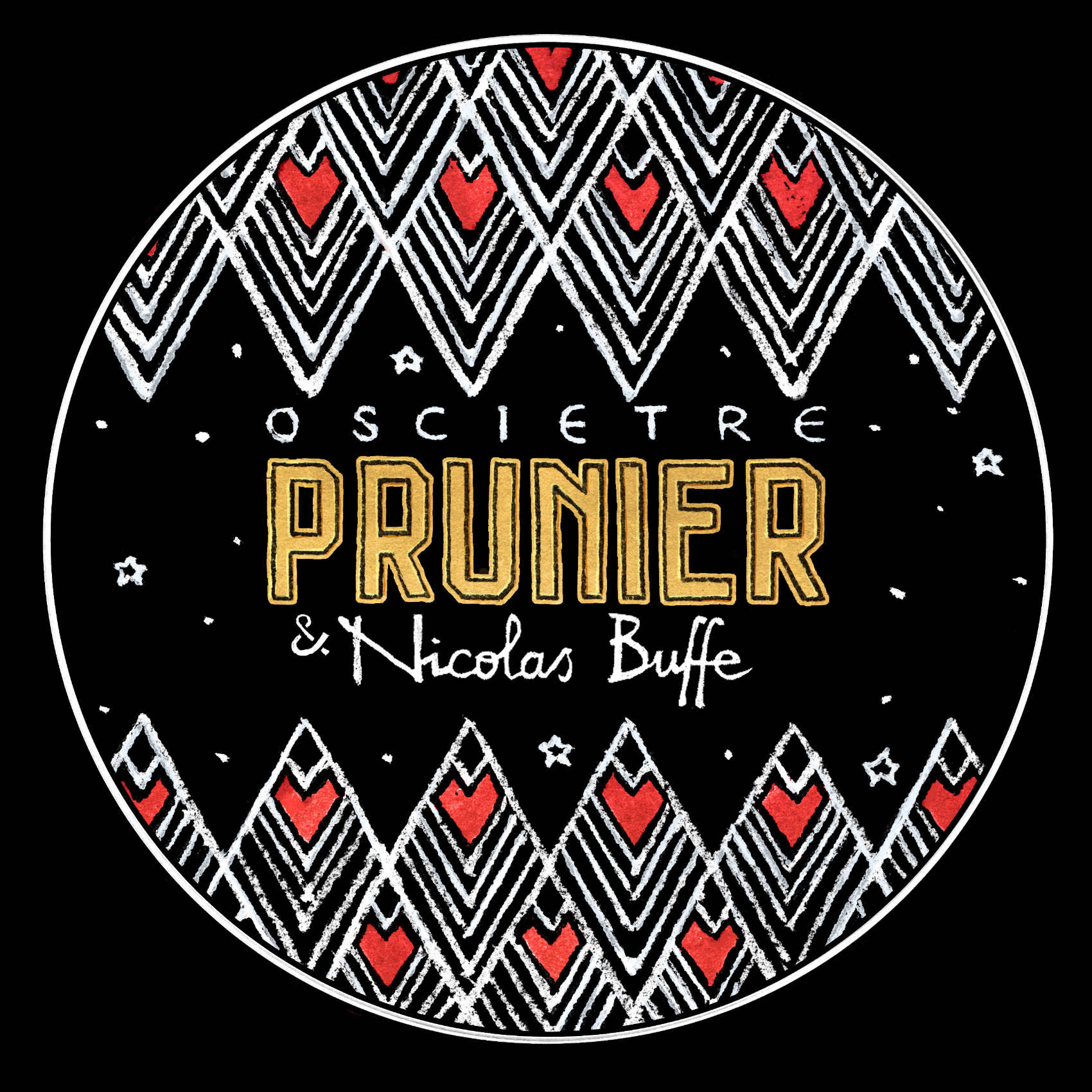
Mountains and Hearts / Oscietra
A series of triangular geometric shapes in Art Deco style, reminiscent of mountain peaks, stand out against a starry sky background. Hearts embedded in the mountains evoke the fluctuations of emotions in the quest for feelings.
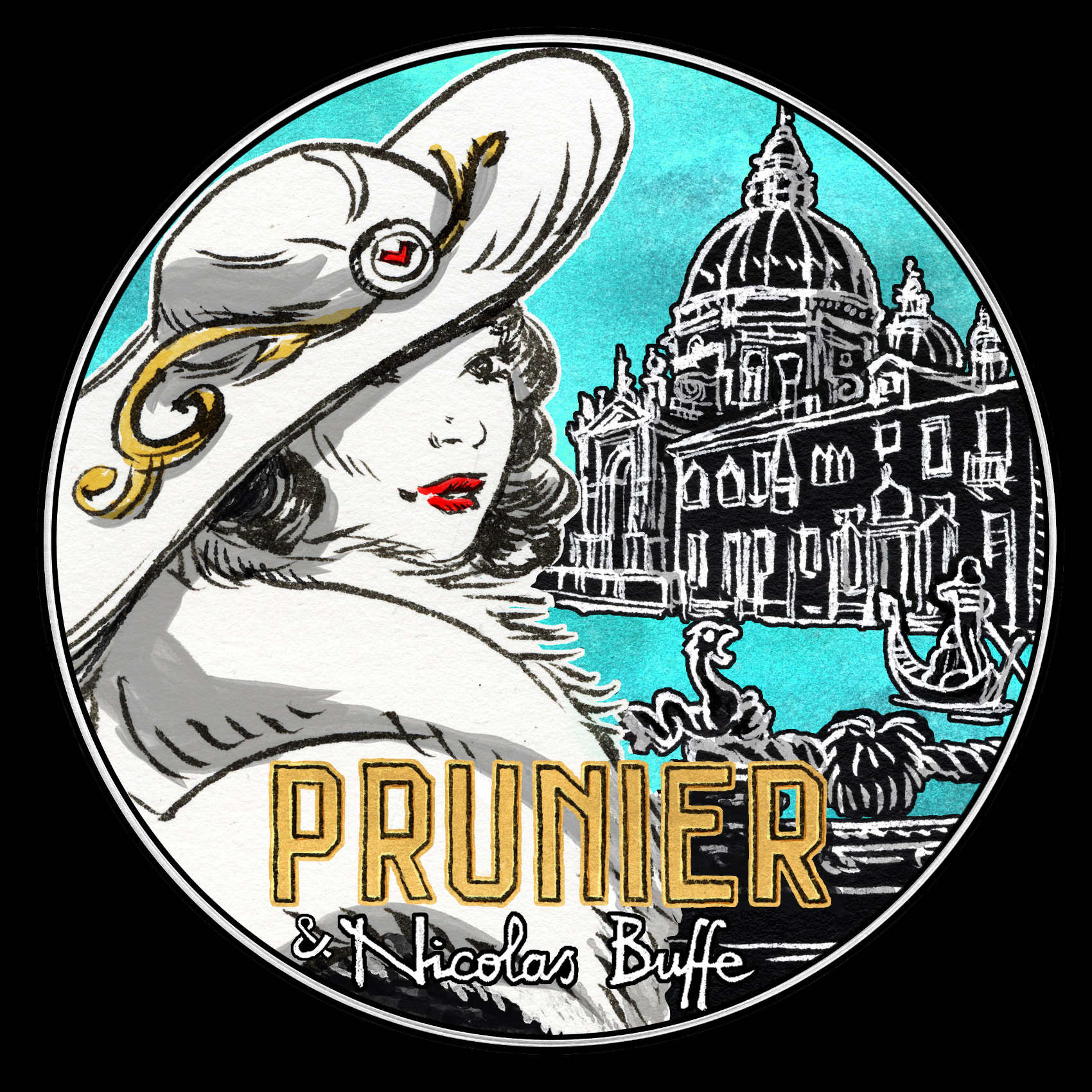
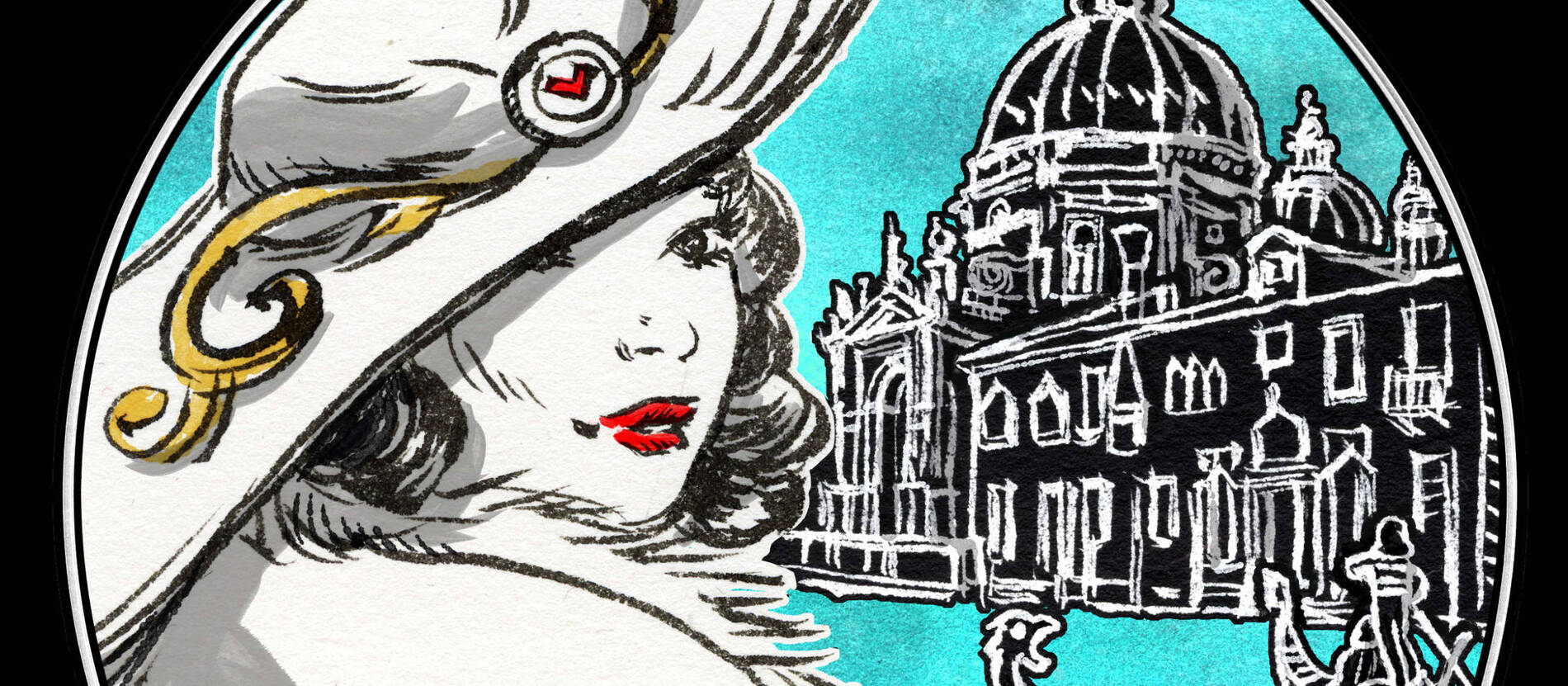
On the Grand Canal (Traveler)
There’s nothing like a stopover in Venice to take a break from the fatigue of traveling and enjoy the wonders of the City of the Doges. This short break allows for searching out important information about the legend of the Queen of the Sea.
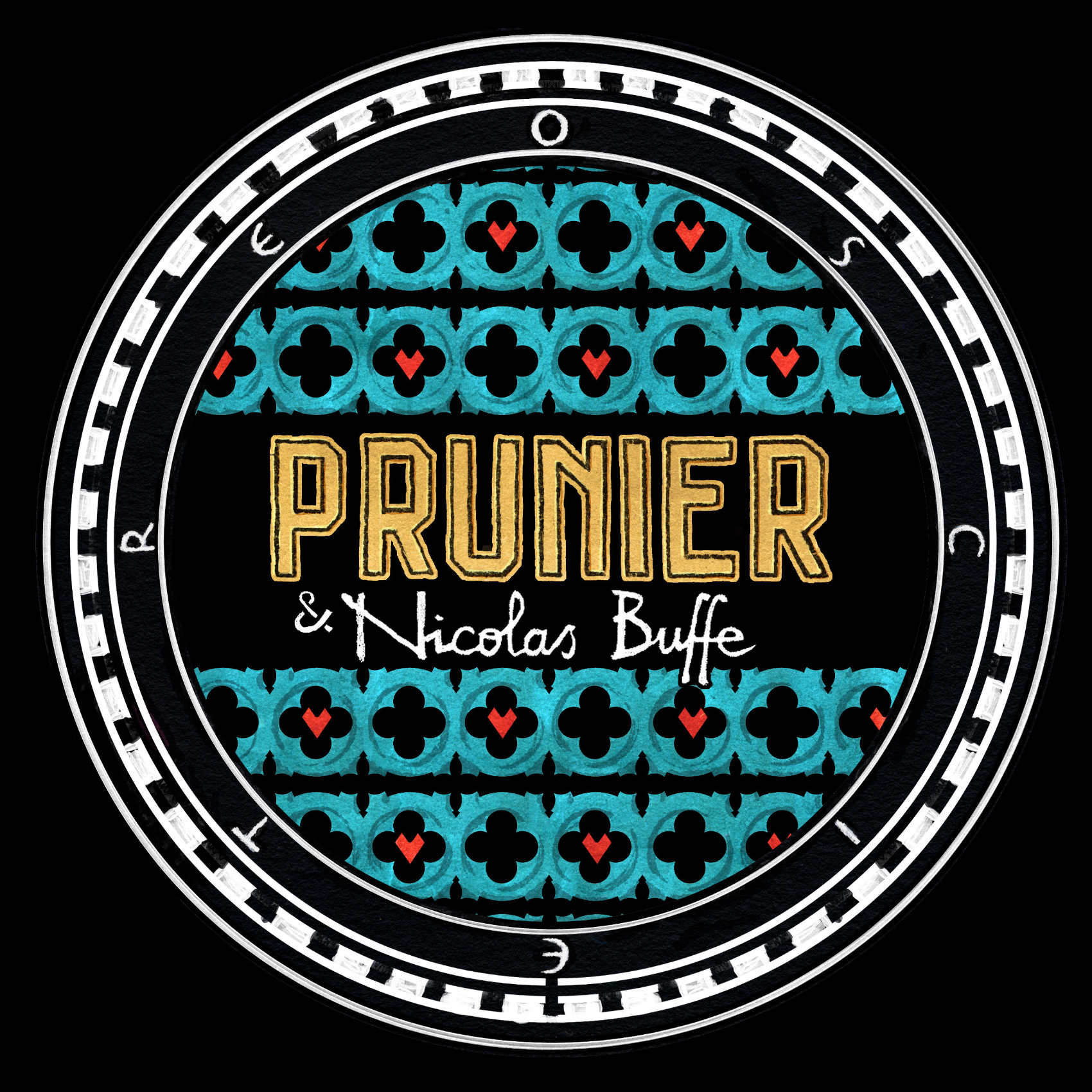

Venetian oculi and hearts / Oscietra
The motifs refer to the façade of the Ca’ d’oro, one of Venice’s most famous palaces. This palace, built in the Italian International Gothic style, is rich in both European and Eastern influences. Hearts appear alternately in the turquoise blue oculi.
In the sleeping car corridor (Traveler)
This drawing is inspired by scenes from Agatha Christie’s Murder on the Orient Express, later adapted for film by directors such as Sidney Lumet. The traveler, dressed in an elegant gown, strides swiftly down the sleeping car corridor.
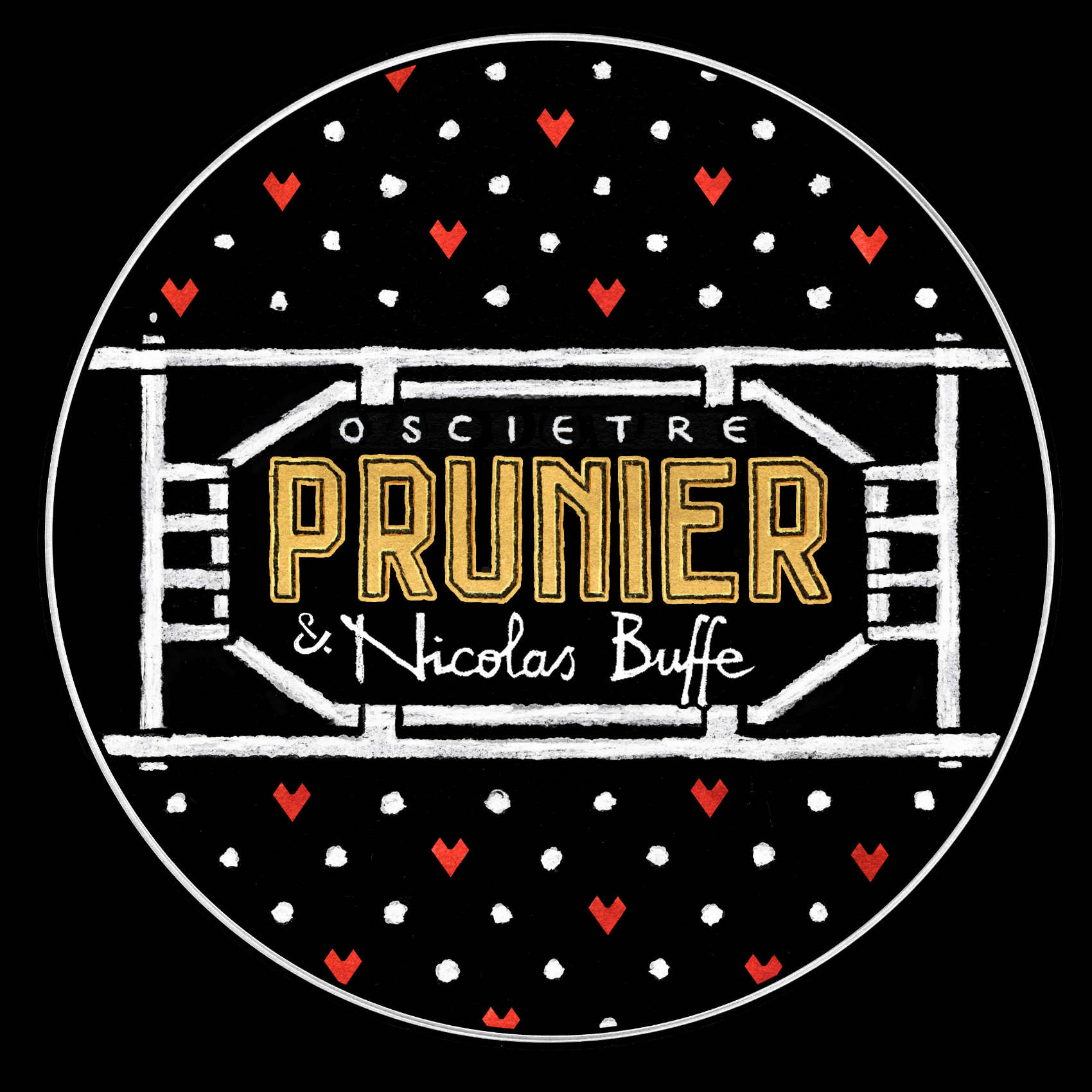
Sign with polka dot and heart background / Oscietra
An art deco sign evokes the look of express trains from the Roaring Twenties. A background consisting of alternating polka dots and hearts provides a light contrast to the overall composition.
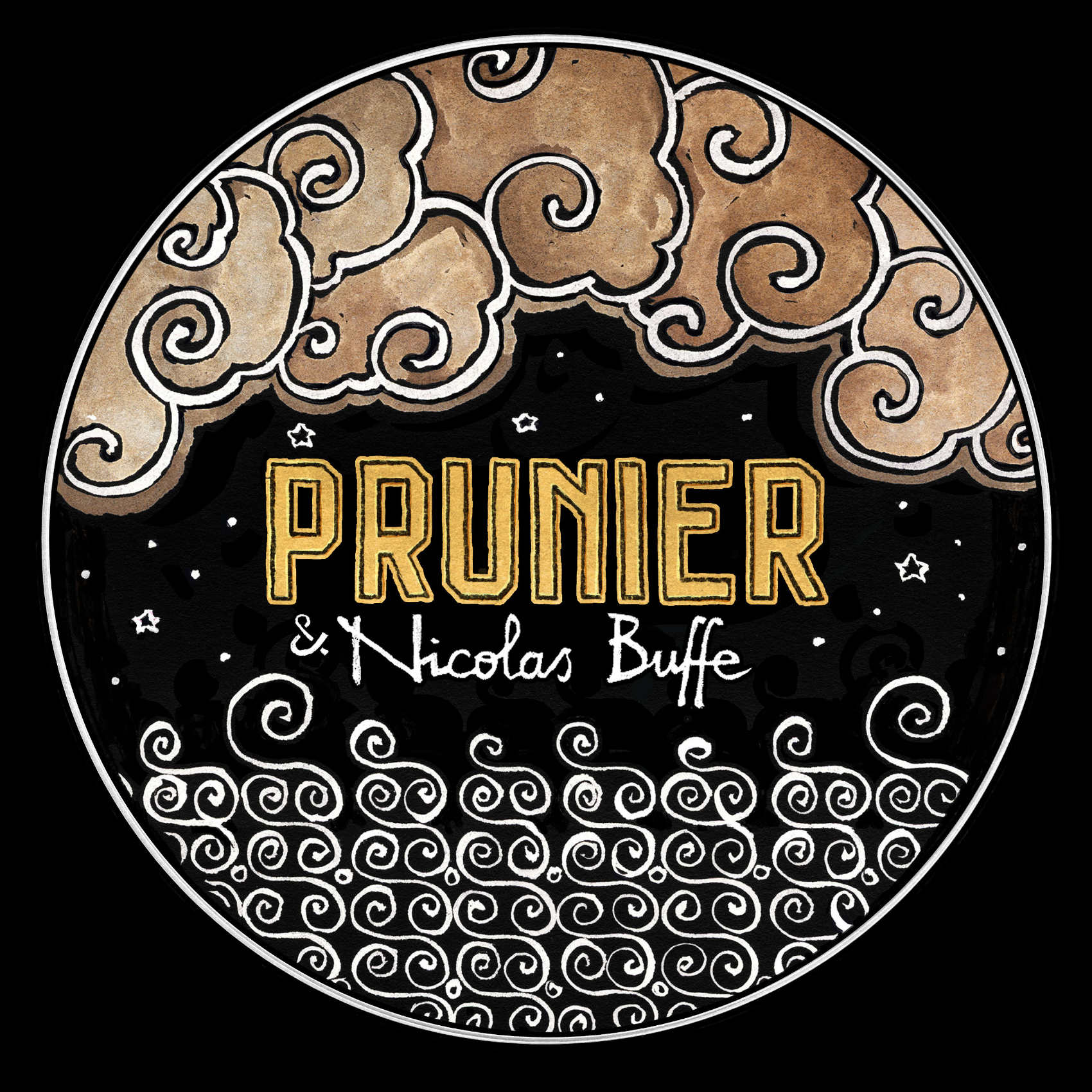
Sky and sea
“Everything that comes from the sea” has been Prunier’s slogan since 1925.
Inspired by Art Deco style, particularly that of the Prunier restaurant on Avenue Victor Hugo.
This design depicts a starry sky and golden clouds above a sea with geometric waves. It nods to the aesthetics of Japanese lacquerware and woodblock prints.
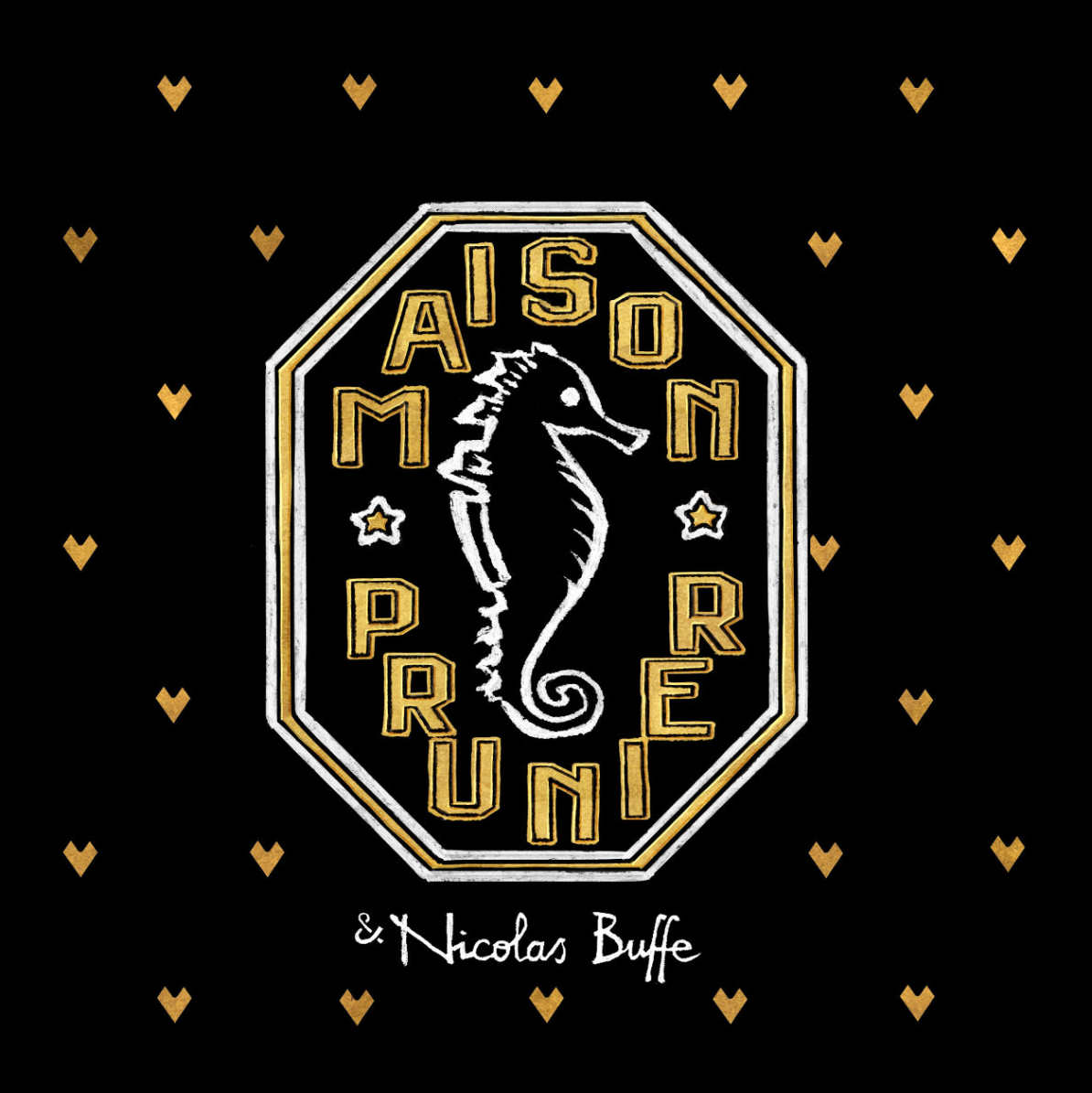
Seahorse on a background of golden hearts
This design is a nod to the Art Deco style of Maison Prunier Victor Hugo. The seahorse figure, with its elegant hybrid form of fish and horse, evokes the astonishing richness of the marine world. I chose to depict this mysterious animal to celebrate the arrival of the Year of the Horse in a maritime way. A carpet of golden hearts completes the composition for Valentine’s Day and White Day.
* *
*
Chapter 3 :

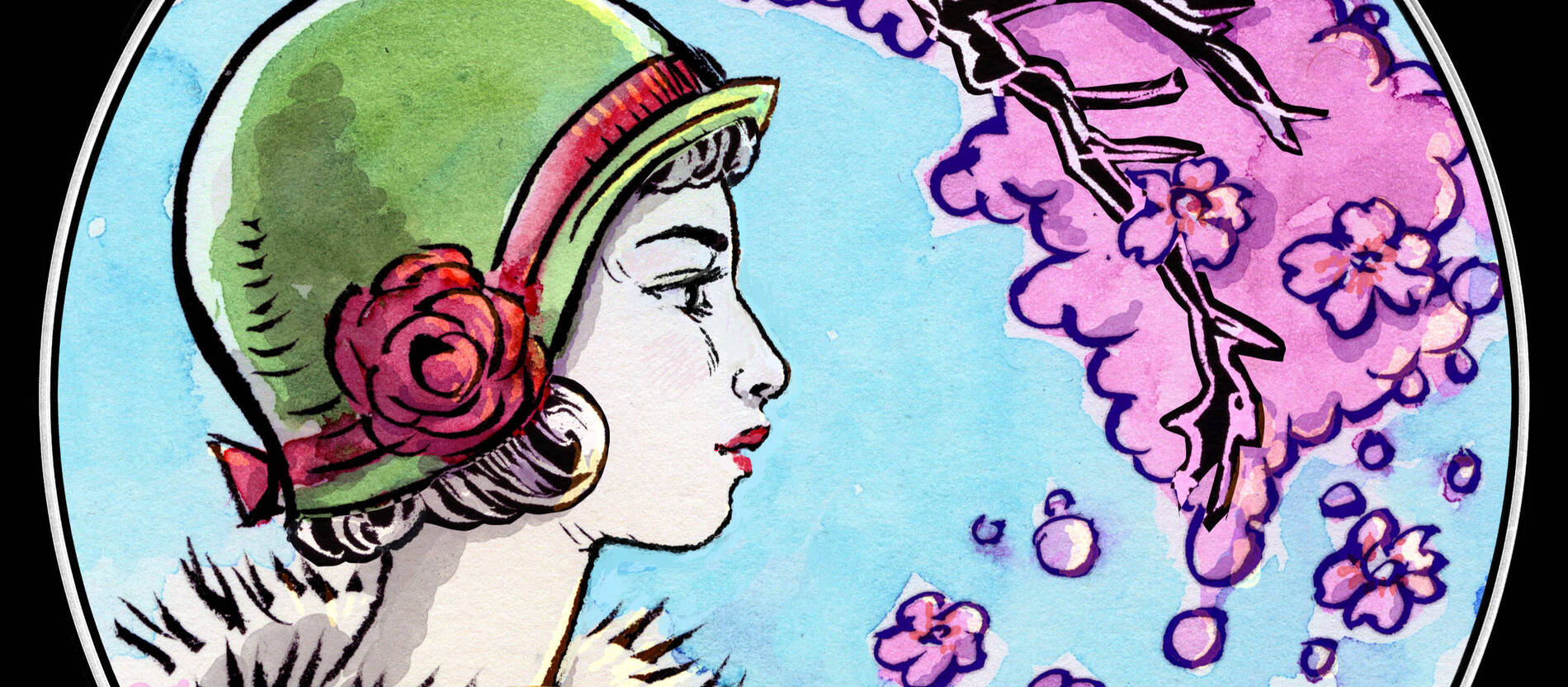
In the shade of a cherry tree on the Bosphorus (Traveler)
The Orient Express arrives at its final destination, Istanbul Sirkeci train station. The traveler takes advantage of this brief transfer time before continuing her journey to enjoy the cherry blossoms.
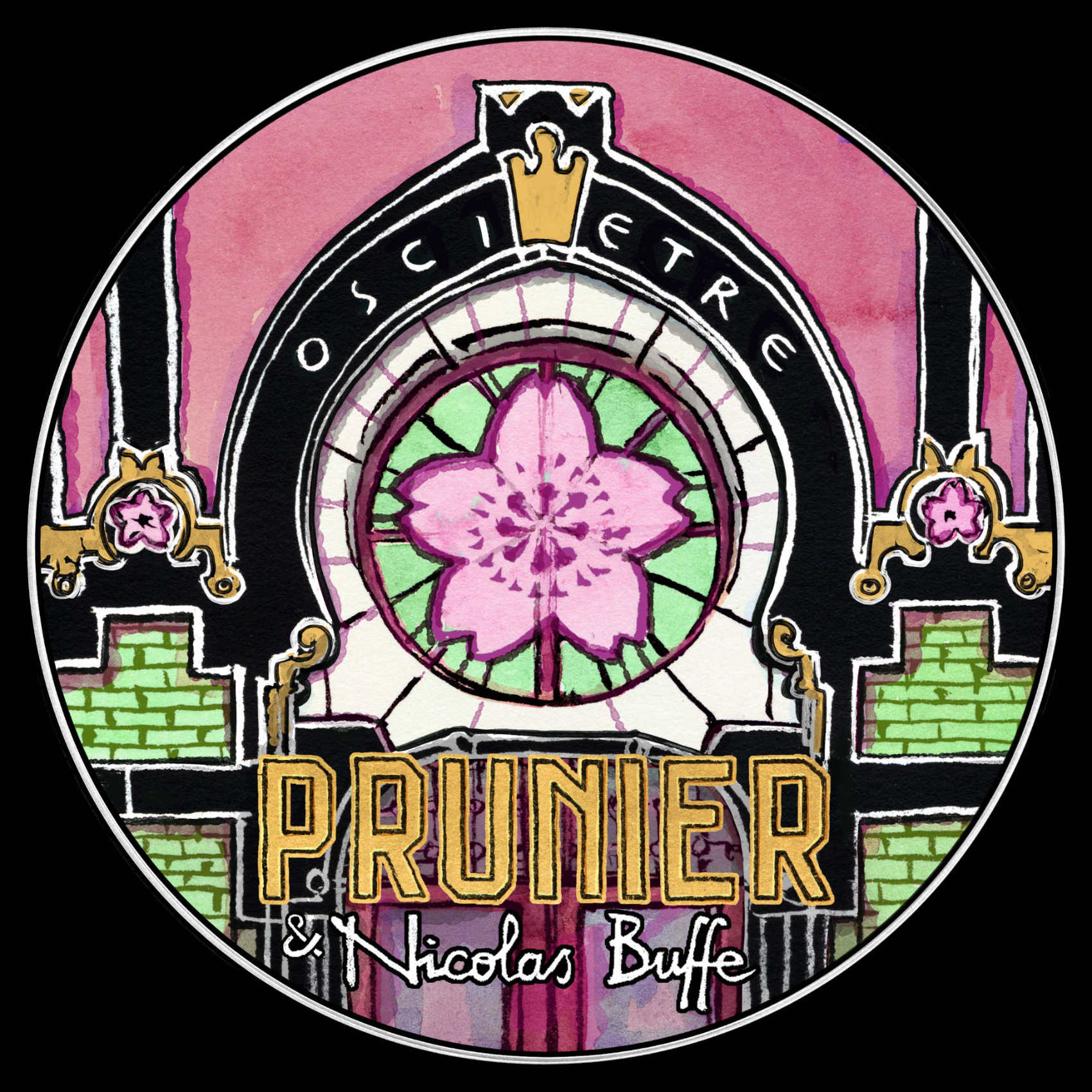
Door and stained glass windows / Oscietra
This design is loosely based on Sirkeci Station in Istanbul, the terminus of the Orient Express. A cherry blossom motif occupies most of a stained glass window above one of the station doors. The shades of pink and green bring a springtime feel to the whole design.
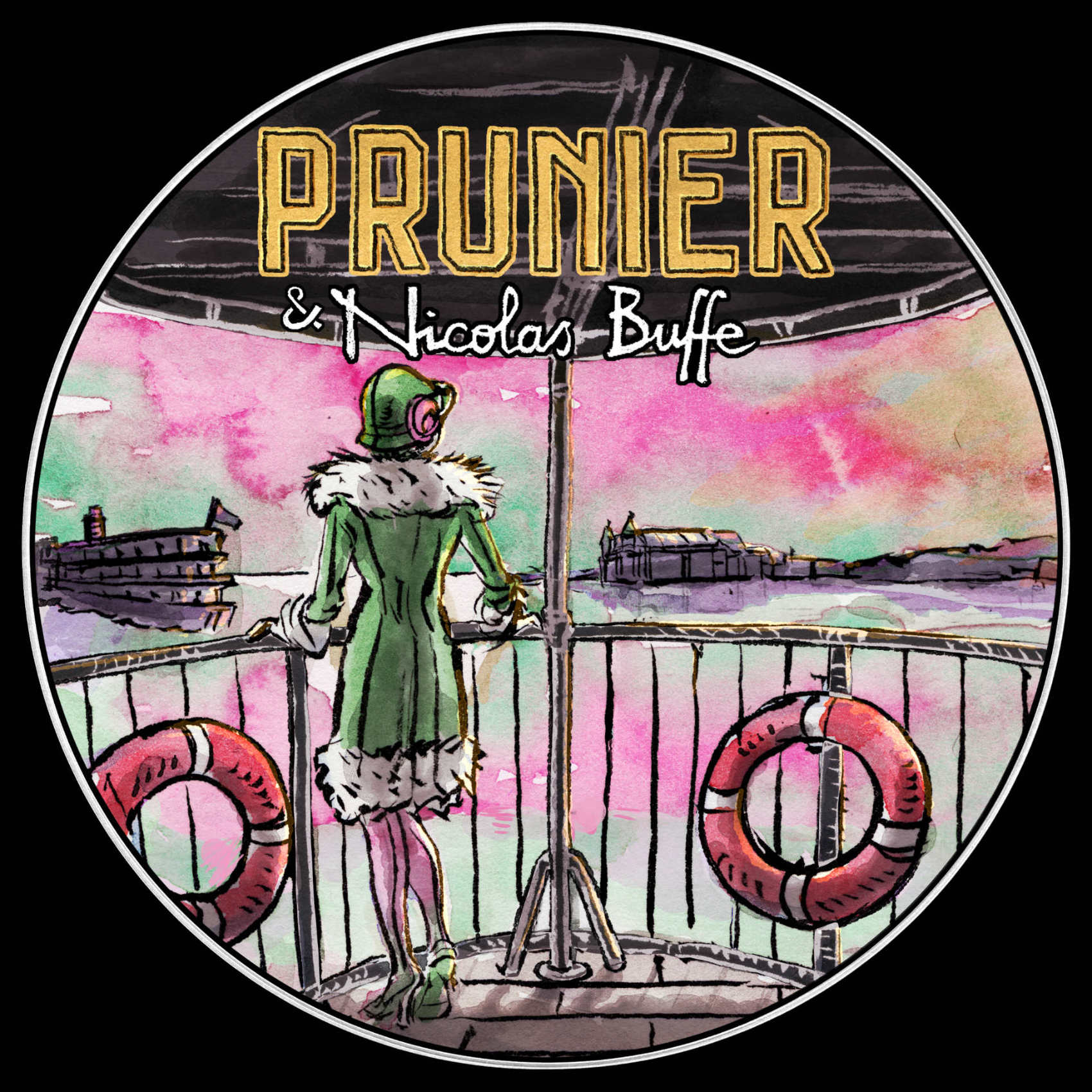

On board the ferry (Traveler)
The traveler boards a ferry at sunset to continue her journey. On the horizon, we can see the silhouettes of the train station and Haydarpaşa port in Istanbul, slowly receding into the distance.
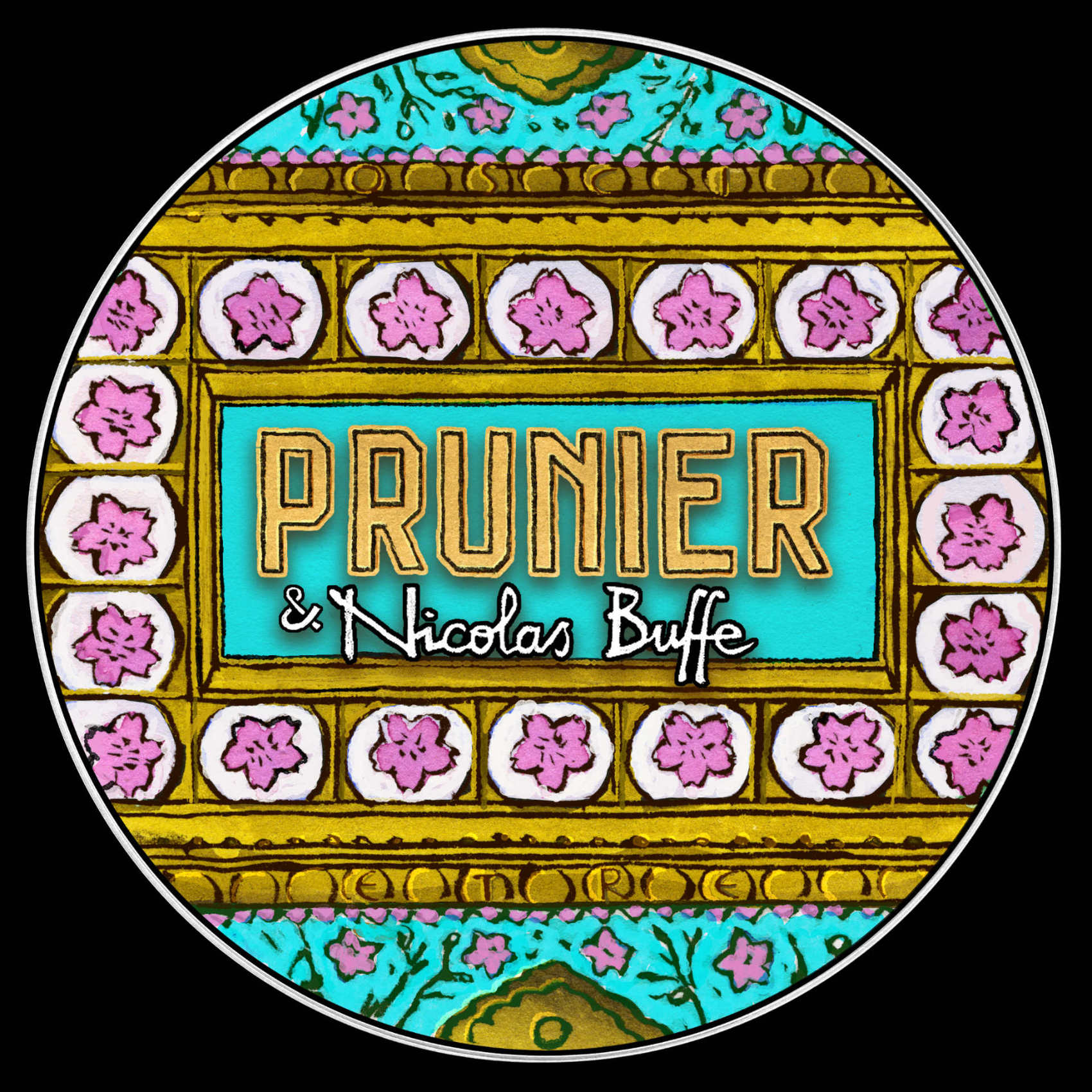
Cherry blossoms and golden tiles / Oscietra
The motifs refer to the fruit room of the famous Topkapı Palace in Istanbul.
This sumptuous palace was the main residence of the sultan and his court during the Ottoman era. Pink and gold tile motifs punctuate the design with an effect of opulence.

Boarding the submarine (Traveler)
Following her ferry trip, the traveler approaches her goal of discovering the palace and treasures of the Queen of the Sea. In the early morning, she boards a strange submarine, reminiscent of the shape of a sturgeon. The nod to Jules Verne and his adventure novel “Twenty Thousand Leagues Under the Sea” is obvious.
Cherry blossom and turquoise blue tiles / Oscietra
The patterns refer to the fruit room of the famous Topkapı Palace in Istanbul. This room, also known as Ahmet III’s private chamber, was probably used by the sultan for meals. Cherry blossom tile patterns contrast with golden coffers and a turquoise blue background.
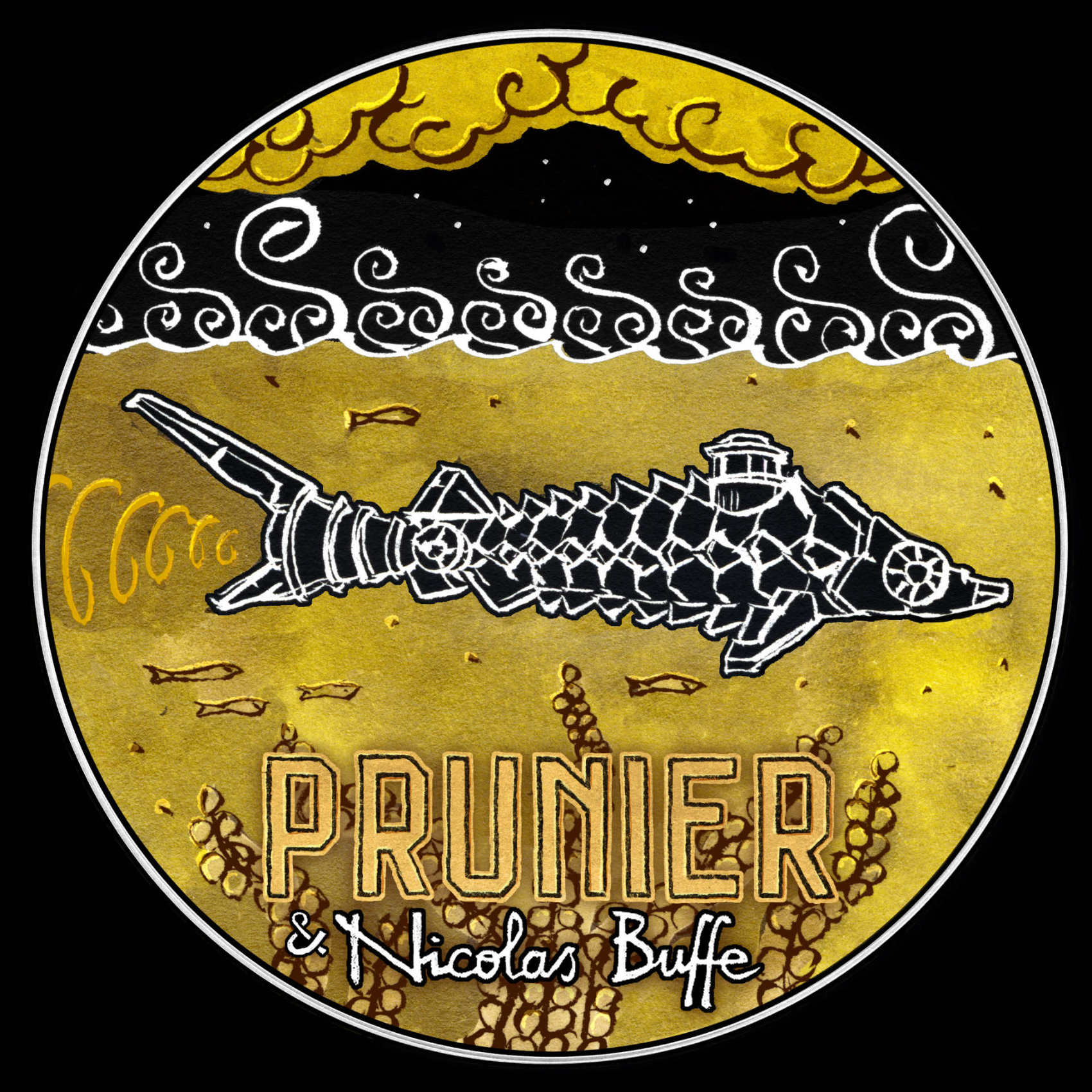
Sturgeon submarine on a gold background
The traveler explores the seas aboard the sturgeon submarine in search of the legendary palace of the Queen of the Sea.
This design is inspired by Art Deco style, particularly that of the Prunier restaurant on Avenue Victor Hugo, Paris.
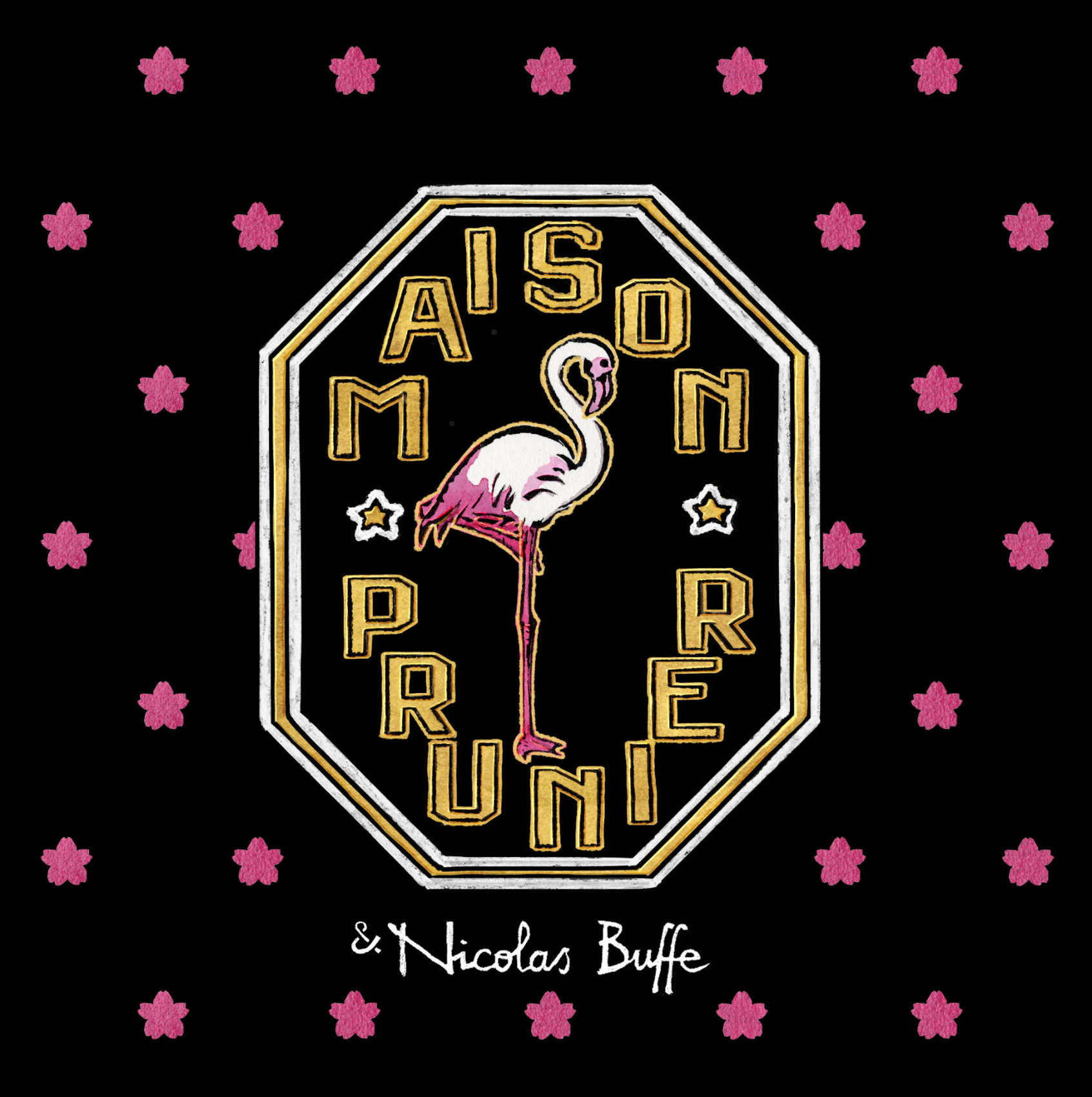
Pink flamingo against a backdrop of cherry blossoms
This design is a nod to the Art Deco style of Maison Prunier Victor Hugo. Flamingos get their color from the pink and orange crustaceans, algae, and plankton they feed on. A bird with pink plumage that lives between the air and the sea, it was the perfect choice to celebrate the cherry blossom season.
A carpet of cherry blossoms completes the composition for this occasion.
* *
*